Signs and Symptoms of Forward Head Posture
Admin • July 20, 2019

A lot of people have poor posture, but if your upper back rounds forward, and your chin pokes out too much, you may have forward head posture. This can lead to long-term pain and discomfort. If you've experienced pain in your neck or upper back, keep reading to learn more about the signs and symptoms of forward head posture.
Rounded Upper Back and Flattened Lower Back
You can spot if someone has forward head posture by looking at their normal standing position. With a healthy neck and back, your upper back, neck, and head should almost form a straight line (some inward curvature of the cervical spine should exist) with your head balanced evenly on your neck.
However, if you have forward neck posture, your head sits forward, pulling your neck and upper back and causing them to become rounded with your chin poking forward. At the same time, your lower back, which should also have a slight natural inward curve, starts to flatten.
Your head, which can weigh eight to 12 pounds, becomes heavier the more forward it leans. On average, holding your neck just one inch forward can add 10 pounds to what the neck has to support.
Muscle and Spine Strain and Stress
Your head leaning forward puts a lot of strain on your neck and upper back muscles because of the weight of your head. This causes some muscles to shrink and others to elongate. These shortened muscles affect your mobility, making it hard to turn your neck, especially to look behind you. Elongated muscles become weak, making your upper back and shoulders weak.
The most commonly elongated muscles include the deep cervical flexors, erector spinae, and the shoulder blade retractors. The deep cervical flexors and erector spinae are largely responsible for supporting the neck and helping with rotation. The shoulder blade retractors allow you to pull your shoulder blades back, opening the chest. If the retractors are weak, your shoulders rotate forward.
Muscles that become short include suboccipital muscles, chest muscles, and the levator scapulae muscles. The suboccipital muscles help keep the head up and straight. The chest muscles get tight because of the rounded shoulders. Levator scapular muscles lift the scapular and help move the neck. When these muscles become too tight, standing up straight and opening your chest becomes increasingly difficult and painful.
Tight neck muscles don't just affect your mobility and strength; they can lead to headaches. Some patients with severe forward head posture may even have craniofacial pain from the muscles being pulled too tightly.
Hyperflexion and Hyperextension of the Spine
Hyperflexion and hyperextension simply mean your spine bends and stretches too much. Neck hyperflexion and hyperextension is actually closely associated with whiplash injuries, which often happen after car accidents when your head bends forward and then backward quickly and forcefully.
When you have forward head posture, however, the hyperflexion and hyperextension develop slowly from the long-term stretching of the muscles and spine and the weight of the head. The upper part of your cervical spine, right under the skull, hyperextends to keep your eyes looking straight ahead. Your lower cervical spine experiences hyperflexion, which with causes forward bending.
Forward head posture don't just make you look like you have a hunched back — it also causes long-term pain and weak muscles.
If you have any of the symptoms of forward head posture, you may want to schedule a chiropractic visit. A good chiropractic adjustment can eliminate some pain immediately. Plus, your provider can teach you helpful stretches and suggest other treatments that may help. For more information, contact us today at Davison Chiropractic.
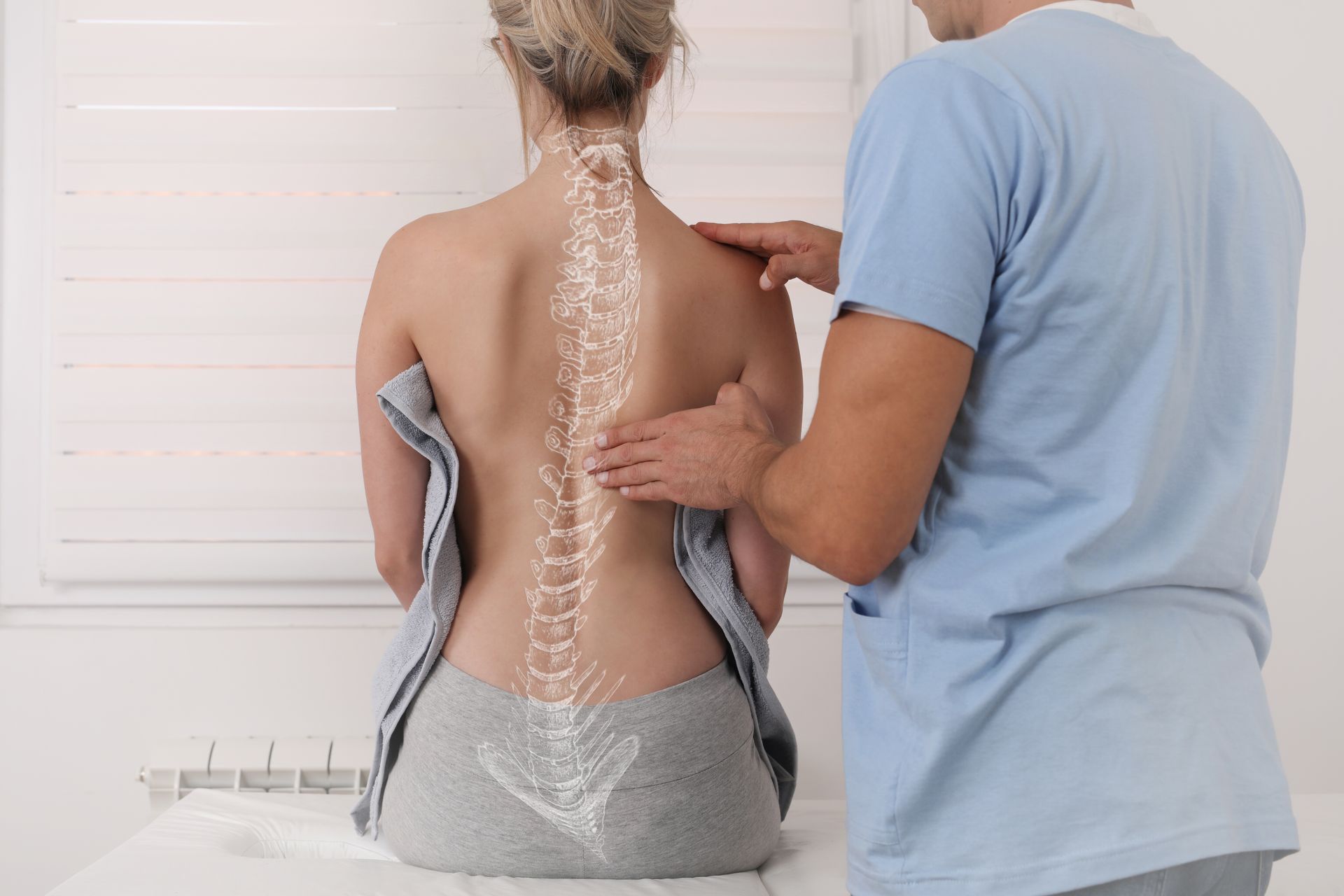
Learn what chiropractic treatment involves and what to expect at your first visit. Davison Chiropractic serves Grand Blanc, MI. Book today.

How many chiropractic sessions do you need? Davison Chiropractic in Grand Blanc, MI, covers care plans, timelines, and FAQs. Call today.
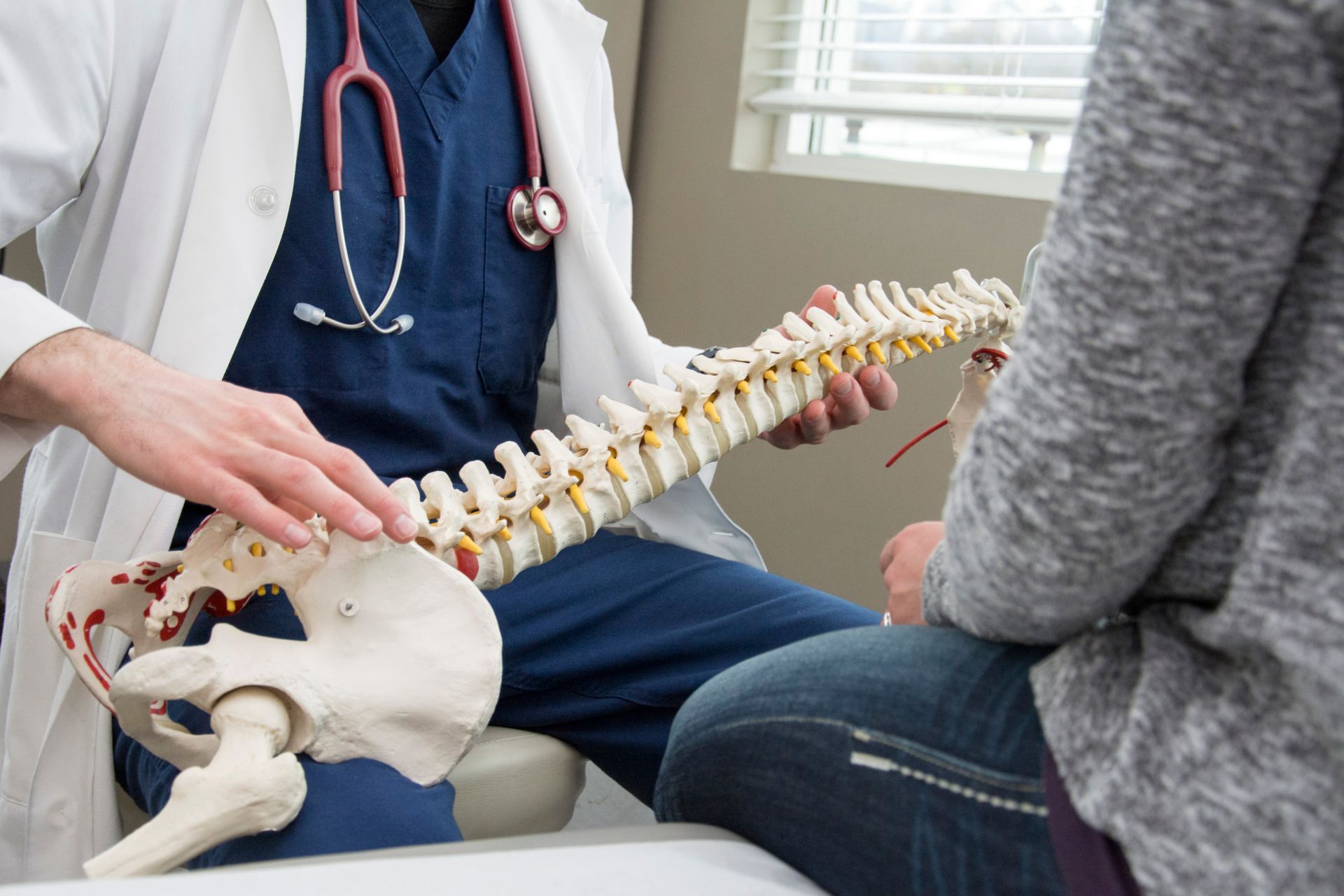
Compare chiropractic care and physical therapy for Grand Blanc, MI patients. Davison Chiropractic offers 20+ years of expert care. Book a free consult today.
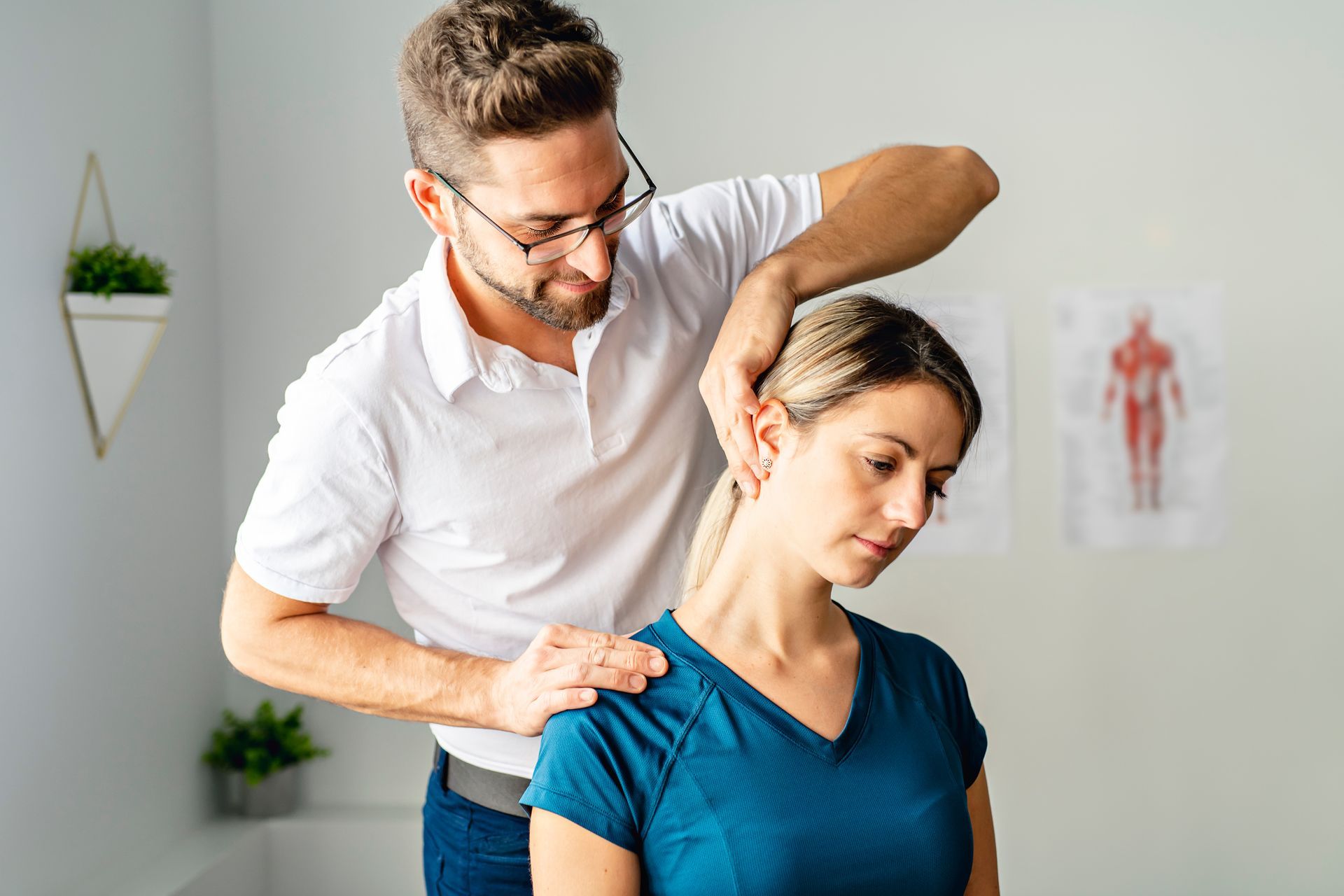
New to chiropractic care in Grand Blanc, MI? Davison Chiropractic walks you through your first chiropractor visit step by step. Click here to read more.

See why visiting a chiropractor in Grand Blanc, MI, matters. Davison Chiropractic offers personalized care for back pain, sciatica & more. Call today!

Discover expert chiropractic care at Davison Chiropractic. Call (810) 658-3383 today to schedule your consultation and start feeling better.

Looking for a chiropractor near Grand Blanc, MI? Davison Chiropractic offers customized care to address back pain, headaches, and sports injuries. Click here!
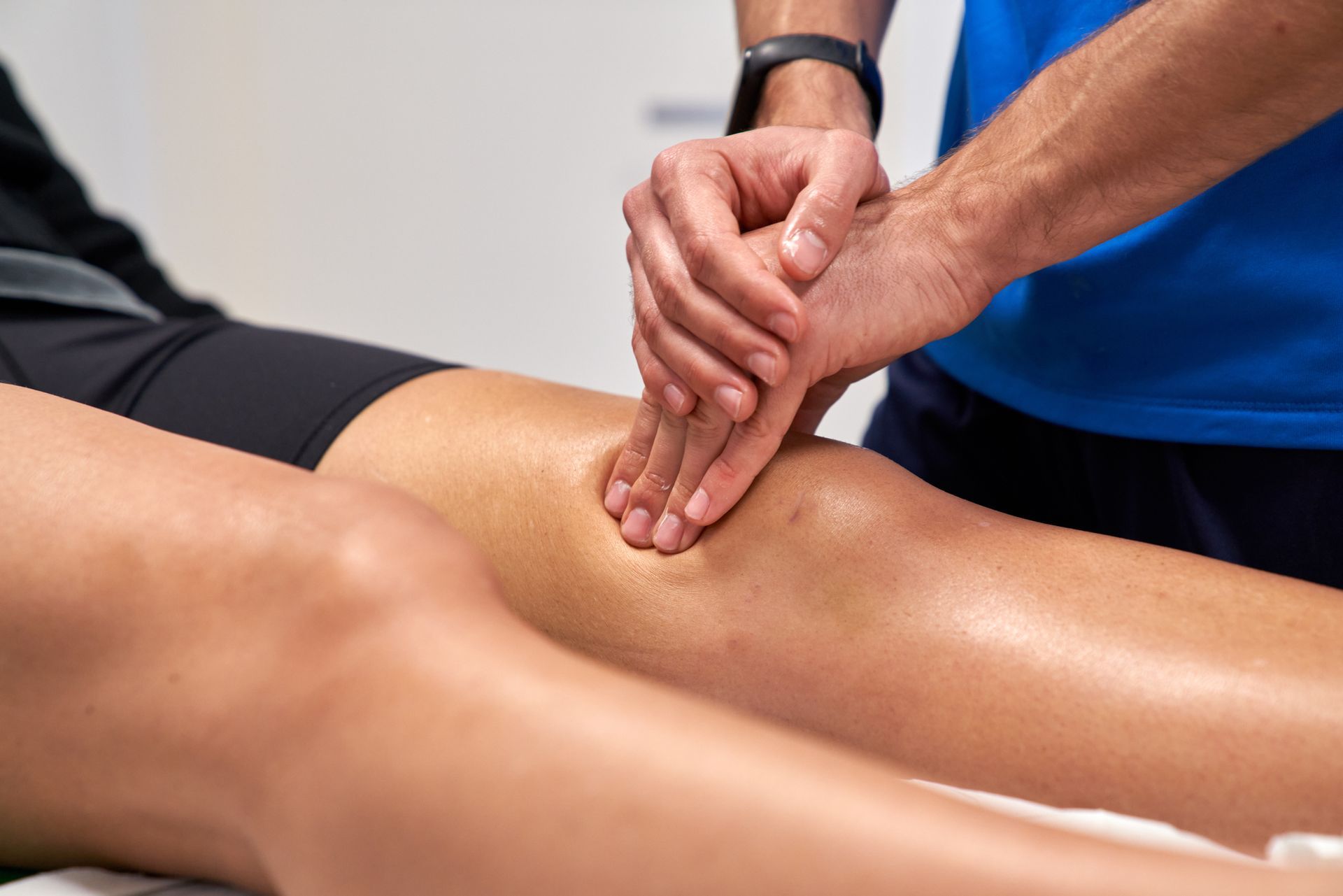
Learn how to choose the right chiropractic clinic in Davison, Goodrich Village, and Grand Blanc, MI. Discover expert care and personalized treatment options at Davison Chiropractic.
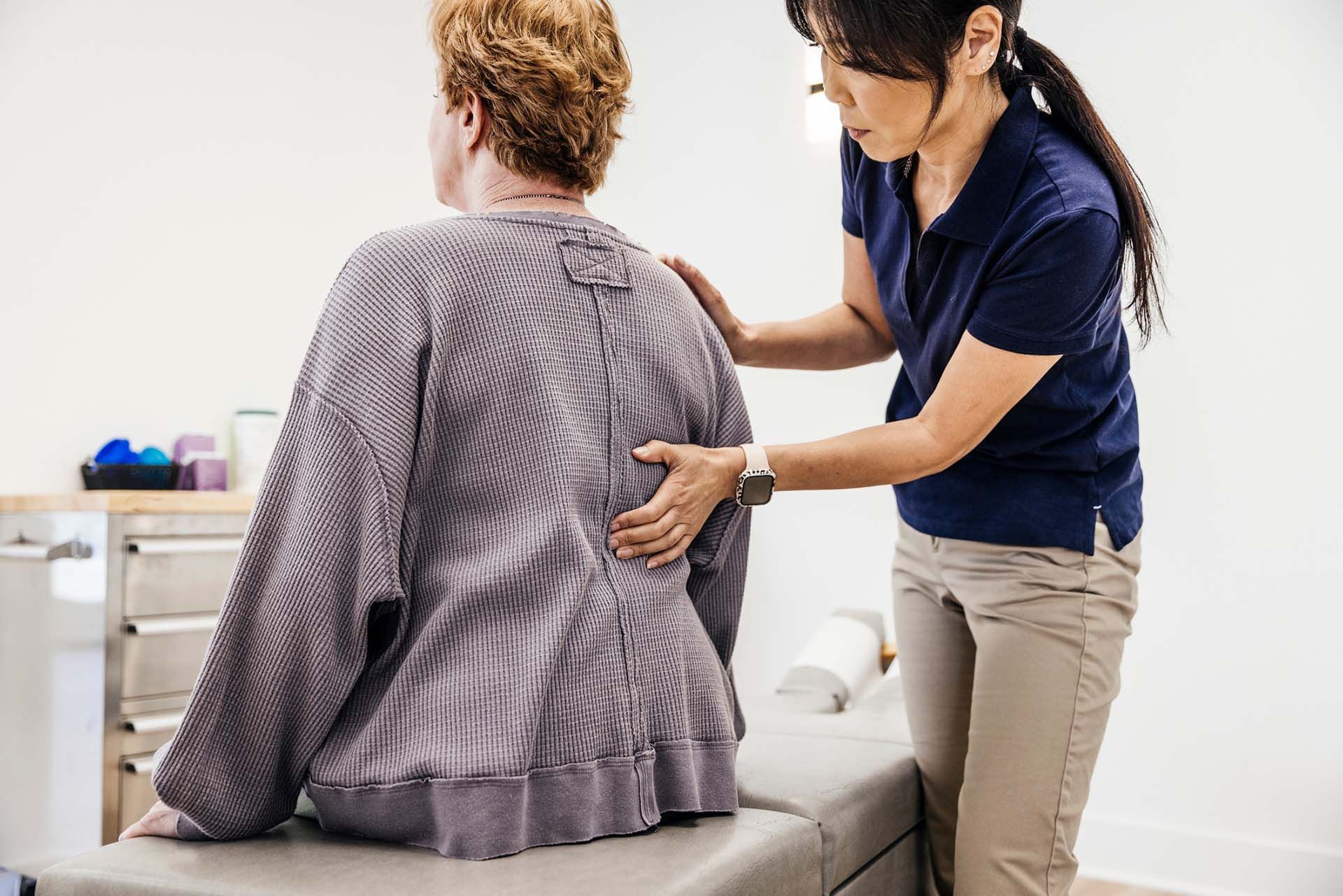
Explore the benefits of chiropractic care in Davison, Goodrich Village, and Grand Blanc, MI. Davison Chiropractic offers holistic treatments for pain relief, wellness, and overall health.

Discover how chiropractic care can benefit children in Davison, Goodrich Village, and Grand Blanc, MI. Learn about safe and effective treatments for kids at Davison Chiropractic.


